
For nearly three decades, EL teacher Amy Peddie has had classrooms filled with immigrant students. She has watched them grow from teenagers that are learning a new language into adults raising children of their own, many of which are American citizens by birth.
Peddie witnessed first hand how the promise of birthright citizenship shapes the identity and belonging of her students. Now that promise faces scrutiny, and for students like Junior Atziry Rios, the debate is no longer theoretical.
“I feel like there will be some sort of discrimination,” Rios said. “It’s really important, but I don’t really know what to do for the situation.”
It all started on April 4 when President Donald Trump continued the debate over birthright citizenship following recent policy discussions. The issue resurfaced in a national debate.
What is birthright citizenship?
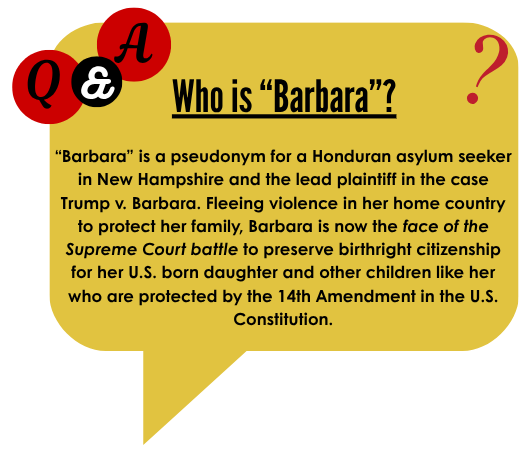
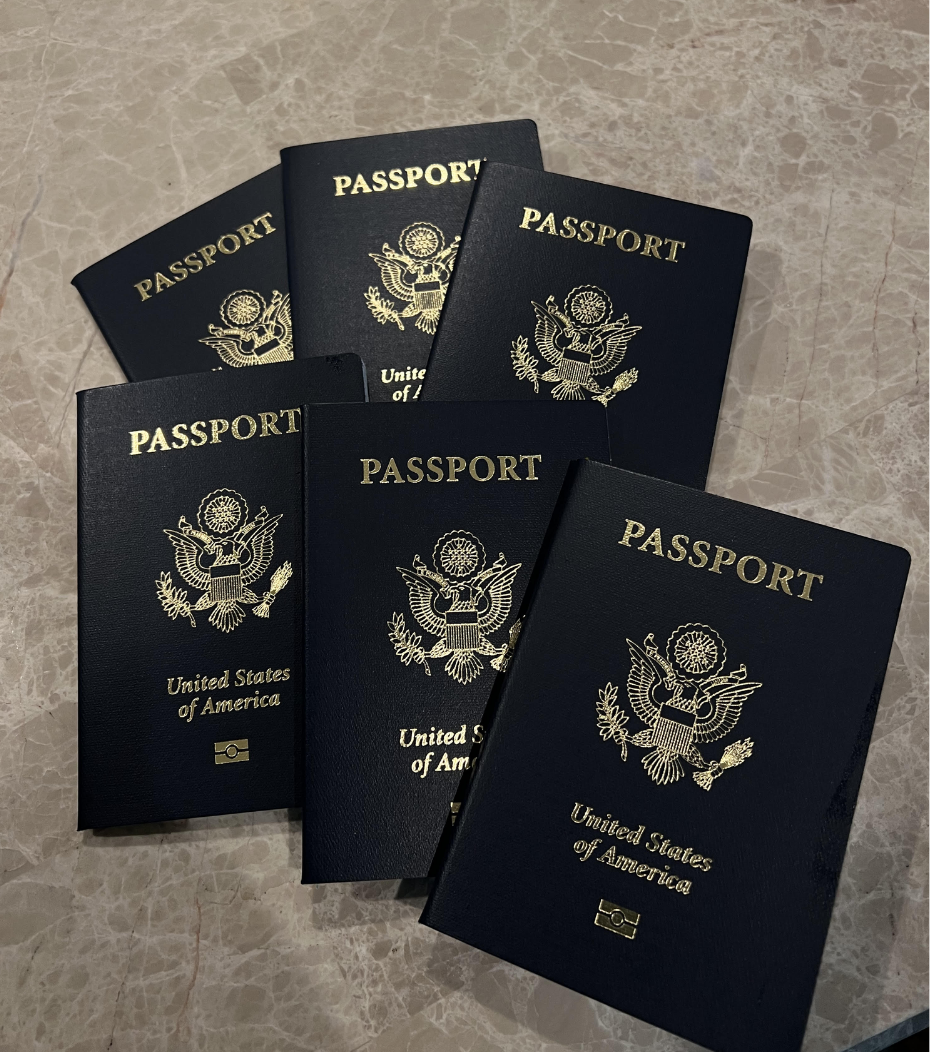
Birthright citizenship means that anyone born in the U.S. automatically becomes a citizen, regardless of their parent’s immigration status. This principle stems from the 14th Amendment, ratified in 1868, which states that all people born in the U.S. are citizens.
According to Maxwell School of Citizenship & Public Affairs, the case against birthright citizenship could affect an estimated 150,000 newborns each year whose parents are undocumented, plus thousands more born to temporary visa holders.
Oral argument
The Supreme Court heard oral arguments on April 1 in Trump v. Barbara, a case that is arguing the administration’s effort to end birthright citizenship for children of undocumented immigrants and temporary visa holders.
Solicitors General D. John Sauer emphasized that the 14th Amendment’s citizenship clause “did not grant citizenship to the children of temporary visitors or illegal aliens who have no such allegiance.”
He argued that the phrase “subject to the jurisdiction thereof” means kids born to noncitizens should not automatically become citizens.
On the other hand, ACLU (American Civil Liberties Union) lawyer Cecilia Wang pushed back saying that the amendment’s wording is clear.
“All of us in this country are Americans, as guaranteed by the 14th Amendment,” Wang said in the oral argument.
The justices questioned both sides. Justice Ketanji Brown Jackson asked why the amendment never mentions parents if their status was supposed to matter.
“Why (don’t we) see in the 14th amendment anything about parental allegiance?” Jackson said.
Justice Sonia Sotomayor also challenged Sauer, explaining how the text was plain and simple and should not be interpreted in other ways.
“I don’t know how you can get around the plain text,” Sotomayor said.
Chief justice John Roberts pushed back too. When Sauer brought up birth tourism and said “We’re in a new world now.” Roberts responded by saying, “Well, it’s a new world. It’s the same constitution.”
Conversation at SHS
At SHS, the topic isn’t widely discussed in classrooms, especially outside of history, government or EL classes. Instead, many students are hearing about it through social media or family.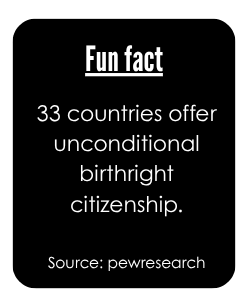
Rios shared how she first learned about the issue through social media platforms. She also expressed her concerns with how misinformation can make it difficult for students to fully understand the topic.
“People just believe everything on the internet and think it’s true, but they don’t do their actual research,” Rios said.
For Peddie, immigration-related topics are more common in conversations with fellow staff than in her classroom, which focus more on college readiness.
“My department talks about immigration issues all the time,” Peddie said.
Personal connections and opinions
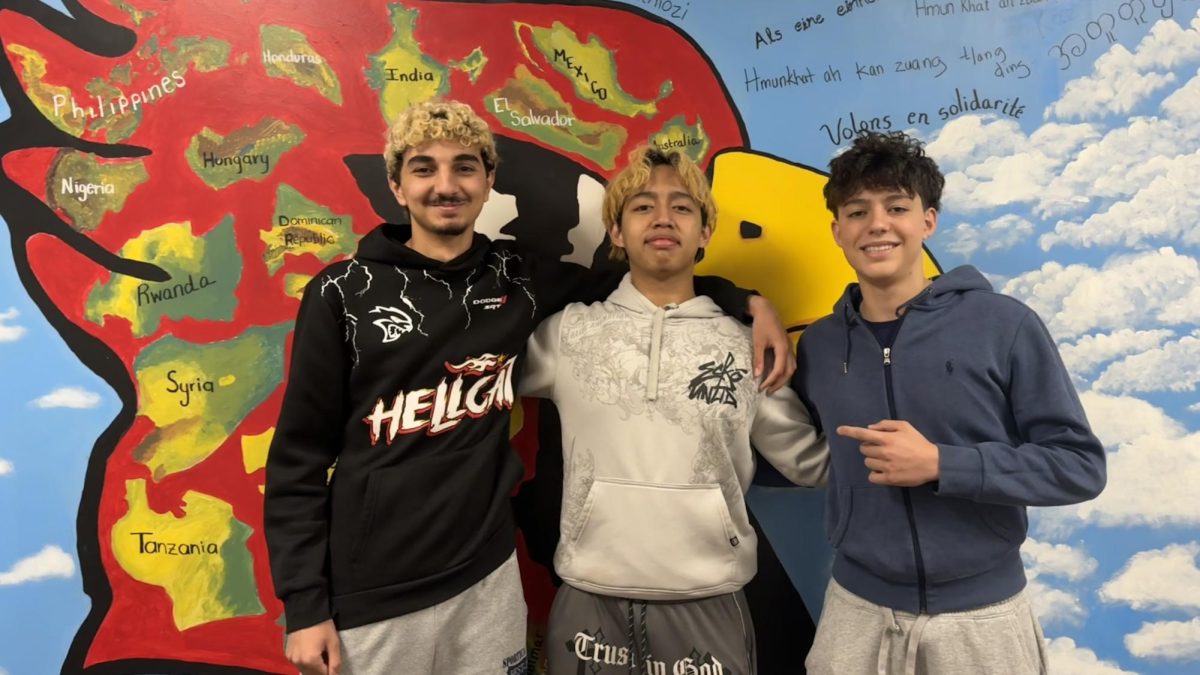
For students like Rios, the whole issue connects directly to identity. Her parents immigrated from Oaxaca, Mexico, while she was born in the U.S.
Peddie says that while the issue may not affect her personally, it is deeply important to her students and their families.
“Some of my students now have children who are citizens,” Peddie said. “To tell them they don’t belong here would be devastating.”
She also believes that citizenship shapes a person’s sense of belonging, keeping in mind that some students she has taught in the past felt “stateless” before coming to the U.S.
Impacts
Although discussing these topics can be uncomfortable for some, some students and staff agree that conversing about it respectfully is important.
Rios says many students avoid the conversation because it makes them feel negative, but she still believes it still matters.
“It’s important because it’s taking rights away from people,” Rios said.

As the debate continues nationwide and at SHS, students and staff will continue to reflect on their identity, fairness and what it truly means to belong.