


As the scent of spilled beer and sweet sugary churros drifted along the festival air, thick wet mud squelched beneath the Matador’s boots, positioning himself with a Muleta in hand, the bull’s horns aiming precisely straight at it. The open air arena rang with Spanish music, laughter and local chatter as SHS English teacher Erin Ancelet and her husband Chad Shirrell stood front row.
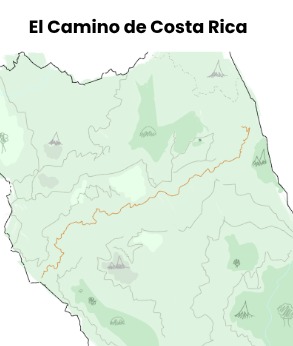
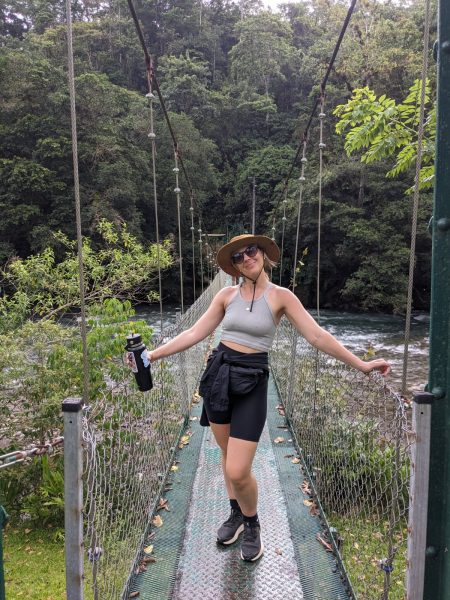
Their bodies were exhausted. They were only five days into “El Camino de Costa Rica,” a 16-day trek from the Atlantic to the Pacific, that brought them to this very moment. It was something that would shape the trajectory of Ancelet’s career, an opportunity that guided itself to her hands.
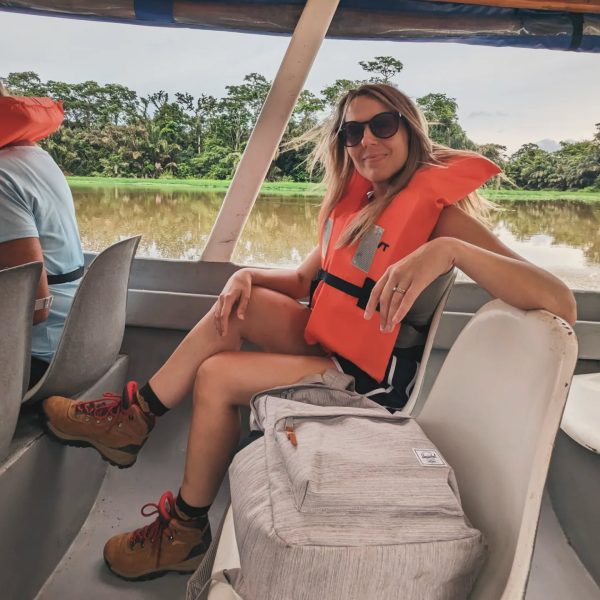
For Ancelet and Shirrell, it was more than just a trail or a grant. It was an opportunity to explore and appreciate the cultural diversity of Costa Rica while connecting with their personal roots.
“I’ve never been to Costa Rica, and it’s a place I’ve always wanted to visit. Costa Rica also has a lot of biodiversity. They’re known to be a country that has a lot of microclimates and I love nature,” Ancelet said. “I love doing outdoorsy things, Costa Rica is known to be a place where it’s a friendly country, it’s a safe country, and it’s a place where you can see a lot of natural beauty in the world.”
Ancelet first discovered this opportunity in early January of 2024 through a social media post. Ancelet was immediately hooked. El Camino de Costa Rica piqued her love for hiking and it checked her boxes of biodiversity and culture.
After a year of hard work and dozens of revisions, Ancelet submitted her application essay in early September for the Lilly Endowment Teacher Creativity Grant, which awards up to $15,000 to 125 educators in Indiana.
In January, she was announced as one of the three winners in the Perry Township school district meaning she received funding for her entire trip.
“This was my first year I did it, and I was pretty surprised I got it on the first try because I’ve heard of people getting denied and then they redo it or edit it and then they reapply later,” Ancelet said.
 During the first few days, the pair was mainly adapting to the trail and accustoming their bodies to the extensive trip. The beginning sections mostly consisted of cartel and drug ridden pathways as well as poverty stricken neighborhoods.
“It’s not a road or a trail, not a regular trail. It’s very steep, hot and humid and it’s impossible to go fast, at least for clients,” Guide Eliseo Hampton said. “There’s too many routes on the way, big steps, it’s muddy and slippery, it’s a jungle so branches fall, there’s a lot of obstacles,”
Hampton has been hiking throughout his entire life. In 2023, Hampton pursued professional hiking as a guide. He has completed El Camino de Costa Rica more than 22 times coast to coast and has over 1,000 miles of experience, making him fit to be the pair’s guide.
“The first actual hike day was very eye opening when (Ancelet) realized what she got herself into,” Shirrell said. “The first two days, they really run you hard, because they need to make sure that once you get into the jungle, you’re able to do it. So the first two days, they kind of push you to the limit.”
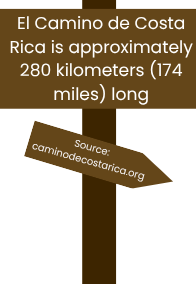
Hikers on average walk 12 miles minimum each day, which totaled up to 174 miles over the course of the trip. They had to train their bodies extensively to get used to the elevation of the mountains around the Orosi and Tarrazru valleys that reach the trail’s peak at 7,154 feet.
“I was just tired because I’d been hiking all day, of course, but it was definitely a fun, good feeling,” Ancelet said.
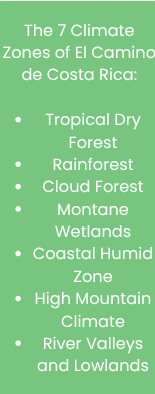
During the trail, Ancelet crossed through five different microclimates scattered throughout the trail, making some sections increasingly difficult in remote areas.
Through May to November Costa Rica enters its “Wet Season,” which brings sprinkles of rain in addition to lots of insects and hot humid weather.
This was one of the many factors that make El Camino de Costa Rica incredibly challenging.
Along with famously being known for its backpacking element, hikers are advised to pack lightly before their trip as they are constantly moving from place to place. This can vary from local houses, tents and even horse barns. Because of this, hikers are more connected to the people around the area and learn more about the culture all around them.
“The culture shock of getting out of the United States kind of wealth into areas that are more humble and just kind of experiencing that different way of life was more of a shock than the physical aspect,” Shirrell said.
Every day things that Ancelet and Shirell used were considered a privilege in small tribes.
Necessities like safe-drinking water and warm showers weren’t always accessible in rural plains and mountain side areas.
Nonetheless, both Ancelet and Shirell experienced nothing but overwhelming hospitality from the locals despite their circumstances.
“Some of the areas are stricken with poverty, the people there were still extremely kind and seemed very happy to see us, to interact with us,” Shirrell said. “That was a huge shock compared to living here where even people that are fairly well off compared to the rest of the world still find a way to be agitated and angry,”
As for Ancelet, her culture shock extended far beyond the trail. After visiting some schools in impoverished areas she felt grateful for the resources available for teachers and students built within the SHS community.
“I like to see how other students or what other students experience in other countries and how that compares to ours…it helps me learn how American schools are similar or towns that may be similar to where our students come from,” Ancelet said.
In these small rural schools, teachers are significantly underpaid while working the load of more than three teachers all at once. In addition, schools are severely underfunded leading to more drop out rates and lower attendance.
These experiences will now influence how Ancelet approaches her classroom this year. After getting to experience a different perspective of education and schools in Central America, Ancelet hopes to connect to some of her students that might come from backgrounds and schools similar to these ones.
“I think I’m gonna carry this just knowing not even from Central America, but I know there’s a lot of our students that come from Burma or Myanmar or Africa or all these other countries where they might have schools that are similar and it’s like this is such a big change from what some of our immigrant students come from,” Ancelet said.
After getting to experience what life is like in Costa Rica, Ancelet and Shirrell neared the Pacific Coast on the last few days of the excursion, walking along the concrete walkway, sore and exhausted.
They reflected on themselves, appreciating the small things even more than ever before. They thought about everything they had experienced: the culture, the families and nature all around that they would now carry with them.
Savoring their last few days in Costa Rica, Ancelet and Shirell spent their last two days in a family owned hotel in the capital, San Jose. Ancelet reminisced about her journey and felt grateful for the opportunities she was born into.
“I know I have money, I know I have a passport, I am privileged in that way. But staying with families in Costa Rica was so heartwarming. I felt like I was really experiencing the real Costa Rica, not an Americanized one.” Ancelet said.
