When Jaimin Khacchadiya first stepped into the robotics classroom at SHS, the room was buzzing with students preparing slides for an assignment.
They sat scattered at their computers while a substitute teacher supervised, but the students couldn’t help sneaking curious glances at the new face who had just walked in.
“It felt comforting enough to be here,” Khacchadiya said. “Not too warm, not too cold. Just right for getting started.”
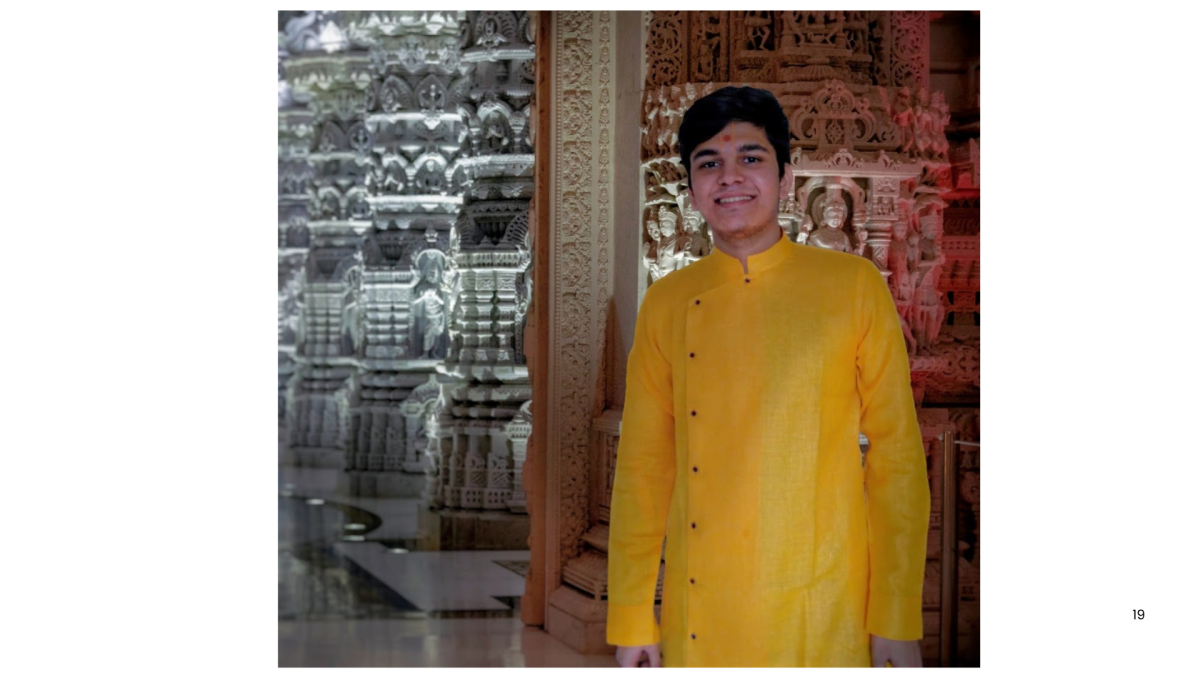
Originally from Mumbai, India, Kacchadiya has joined SHS as the new computer science teacher while serving as a mentor to the school’s robotics team.
With a background that blends industry and education, and with a cultural perspective shaped by his life abroad, he hopes to bring more than just technical skills to his students. He wants to inspire them to connect creativity, discipline and community with robotics.
He began teaching robotics in 2018 by mentoring students through international programs such as FIRST Lego League (FLL) and the FIRST Tech Challenge (FTC).
In India, he coached students in FLL, where teams designed lego-based robots to tackle real-world challenges like finding solutions for space exploration, while also presenting research projects to their community.
He has also worked on designing course content and curriculum in the education sector. Those experiences eventually led him back into the classroom.
“I started working with basic projects during my undergrad,” Khacchadiya said. “And so, it inspired me to get going in the classroom to teach students.”
At SHS, he was drawn not only to the robotics program but also to the school’s diverse community.
Before moving to Indianapolis, Khacchadiya had lived in Wisconsin, but what stood out to him in SHS was the mix of cultures he saw both in the city and inside the classroom.
Students came from different backgrounds and brought a wide range of perspectives to their learning, something he considers both a challenge and an opportunity as a teacher.
“So, it’s really good to work with students who have different experiences and do different things,” Khacchadiya said. “It sometimes makes things challenging for me because I have to teach students who have different expectations, so I’m surely not giving up on that.”
Robotics, however, is only part of his identity. Kacchadiya describes himself as a spiritual person, and his cultural traditions remain essential in his life abroad.
Every morning, he begins his day with prayer before heading to school. Beyond his personal practices, he also
occasionally attends the Swaminarayan temple in Greenwood, a gathering place for Indianapolis’s Hindu community.
There, he celebrates festivals that remain central to his faith and heritage such as Janmashtami, Ganesh Utsav, and Navarartri.
“In India, it’s actually a country which has a lot (of) festivals,” Kacchadiya said. “It’s about celebrating the people, and the culture, and also the fold which we have across different parts of India.”
Engineering and science teacher Anthony Stanich, who first invited Kacchadiya to join the SHS Robotics Team, believes the new teacher’s presence resonates with the school’s student body.
“Considering SHS’s very diverse population, having a teacher from another culture gives students an insight that other cultures can do the same things,” Stanich said. “It’s not just another same face in the crowd.”
Inside the classroom, Kacchadiya aims to blend culture with science.
While he emphasizes discipline and accountability, values that connect to his upbringing in India, he also encourages creativity and interdisciplinary learning.
“Academically, I think it will be when I teach in the class and how to learn the flexibility in order to get the mindset of thinking in an autonomous way,” Kacchadiya said. “Cover the science with art and make some application around it so that might ignite some interest to them.”
Jennel Kacchadiya, Jaimin’s brother and a student at the University of Wisconsin-Madison, believes that approach is what makes his brother stand out as a teacher.

“He doesn’t just lecture, he lets his students mess up, experiment, and figure things out,” Jennel said. “That approach
makes robotics fun instead of intimidating.”Adjusting to American classrooms has been a part of his journey as well.
He noticed that students in India often follow stricter discipline, including dress codes and classroom structure. On the other hand, students in America tend to express themselves more openly.
Looking ahead, Kacchadiya hopes to grow SHS’s robotics program and inspire students to see the subject as more than just an elective.
For him, robotics can spark futures in engineering, business or creative fields as long as students stay motivated and engaged.

“My long term goal was to motivate more children to participate in the robotics club,” Kacchadiya said.
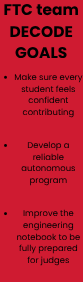
As SHS Robotics prepares for its upcoming competitions, Kacchadiya’s influence is slowly shaping the program.
Whether through coding, building or celebrating cultural traditions, he hopes his students walk away with not only technical skills but also a broader sense of how their passions can shape their future.
“Even if they don’t choose robotics as a career, maybe they find a way to connect it with their own passions and that can still shape their future,” Khacchadiya said.