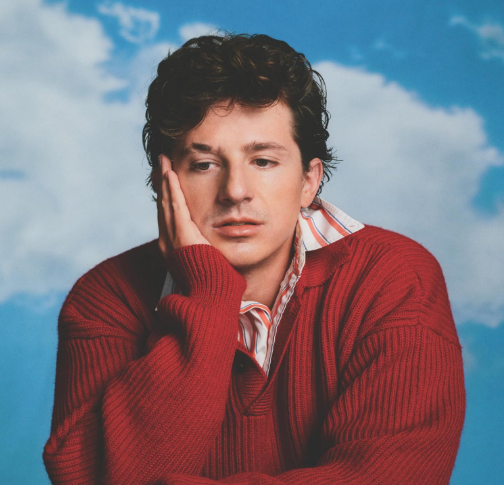
The sound of a saxophone, the feeling of the ‘80s and ‘90s and most of all, a message unlike anything he’s done before, is what Charlie Puth’s latest album, “Whatever’s Clever!” sounded like when it came out on March 27.
The first time I played “Whatever’s Clever!,” I felt very calm. But then when I listened to the words, it felt a lot deeper and made me think more. It is one big story in which each song tells something different, yet all of them work together.
Puth, a 34-year-old American singer, songwriter, musician and record producer, has been playing the piano since the age of 4 and posting covers on YouTube since 2009. He started gaining fame with his debut single of “Marvin Gaye” in 2015 and a debut album of “Nine Track Mind” in 2016.
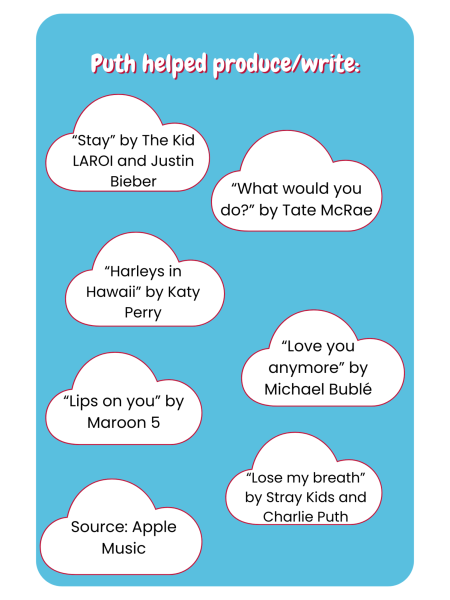
Since Puth is experienced, it was no surprise that his newest album did so well.
In this album, Puth produced 12 new songs, featuring seven people, some of them beingMichael McDonald, Ravyn Lenae and many more. They are diverse in the way they are featured, with some singing in the background and others having a speaking introduction. In the short time of the album being out, over 12,000 copies have sold.
The album is a ‘80s and ‘90s themed album with a notably intentional emotional sound due to the retro and vintage music and beat. That emotion works very well with the beat and words while portraying the purposeful, vulnerable and relatable feeling.
All of the songs have some kind of meaning behind them. This is most recognized in songs like, “Until It Happens To You,” which talks about the harsh realization that when something tragic happens to someone else, it can also happen to you.
These titles show the deeper meaning behind Puth being honest with himself. The songs show Puth’s more personal and vulnerable experiences to his listeners. Being that vulnerable is a very difficult and brave thing to do, especially in front of millions of viewers.
For example, the song, “I Used To Be Cringe,” is about Puth explaining his previous actions and accepting them. Puth admits that all of the things he did was to fit in with his fellow artists, but this song symbolizes his recent efforts to differentiate himself.
While all of his songs represent a deeper meaning, his most liked songs are accompanied by a diverse group of people with different talents. They all gave different perspectives, and I feel that it really helped the album as a whole.
Some of the more popular songs from his album are “Beat Yourself Up,” due to the nostalgic sound of it, “Cry,” because of the heavy saxophone sound with Kenny G and lastly, “Sideways,” because of the groovy sound that it has with Coco Jones.
Additionally, Jeff Goldblum was used for a talking part in the album, while there are others that sang alongside Puth, even going to the extent of singing in a different language. For example, in the song “Home,” Hikaru Utada sings in Japanese. The thought of using another language really helped with the thoughtfulness of the album.
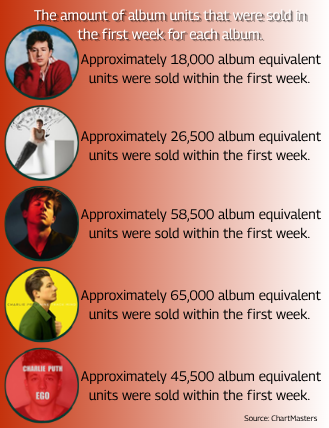
Many people enjoy the album because of how Puth has gotten more vulnerable with his music and strayed away from a stereotypical album. I enjoyed this album because it isn’t a part of the normal in music. It really shows a different yet understandable side.
While my favorite song is “Love In Exile,” there are also parts that other people did not like. Some of the cons of the album is that it is very safe genre-wise for Puth. This album is about self-growth and getting out of his comfort zone, yet he stayed in the same genre that most of his other songs have been. While this is some people’s opinion on it, it is not mine, and I thoroughly enjoyed the album.
Overall, while there are different opinions, many people like and appreciate the album because of its vulnerability and the deeper meaning behind each song. This is a very relatable album, and I like it very much between how everything is planned and added in like the features. It just makes sense, and it is very good.